Outer Manchuria
Historical region ceded by Qing China to Russia in the 19th century.

via Wikipedia: Outer Manchuria · see source
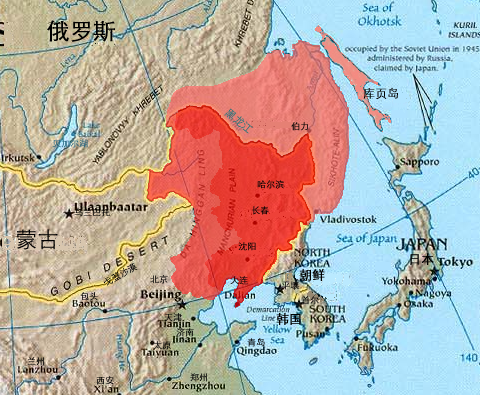
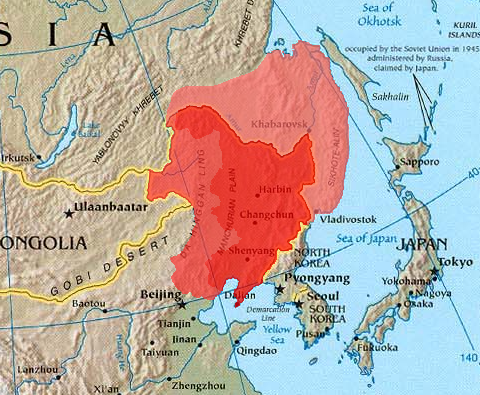
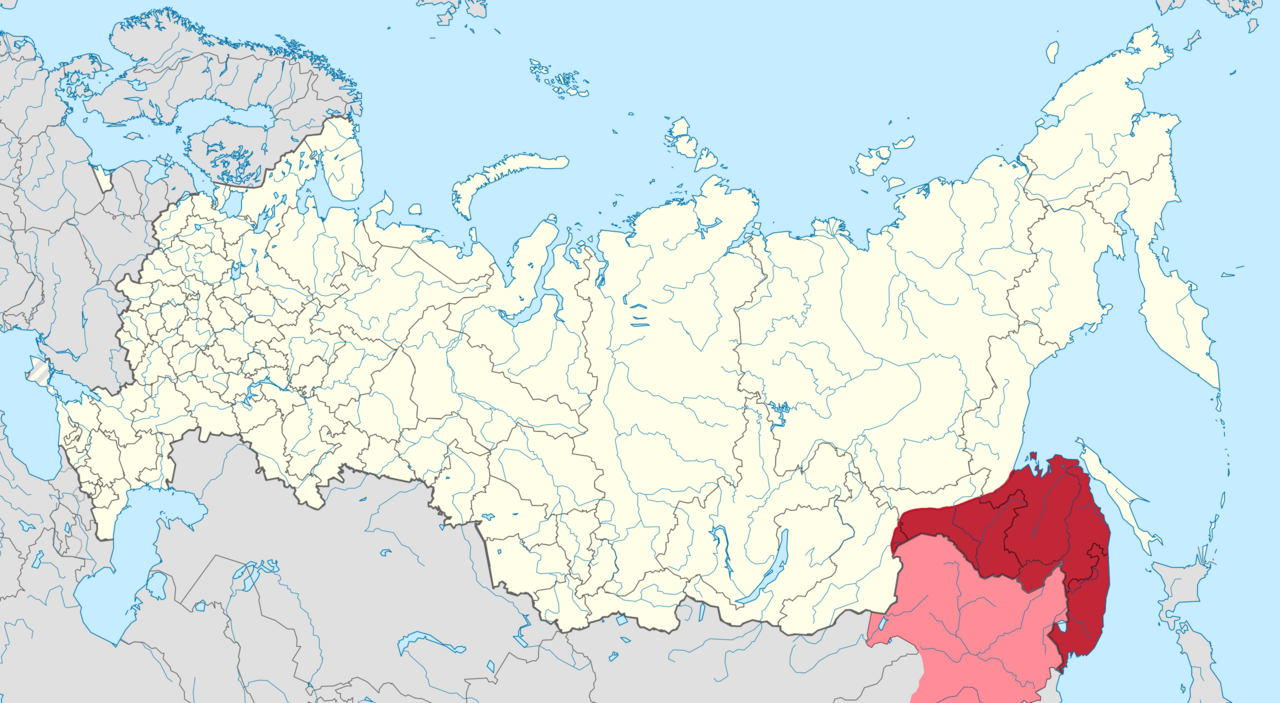
Outer Manchuria, also called Great Northeast Area (Chinese: 外東北 Wài Dōngběi "Outer North-East") or Russian Manchuria, refers to a region in Northeast Asia that is now part of the Russian Far East, but historically formed part of Manchuria until the mid-19th century. While Manchuria now more normatively refers to Northeast China, it originally included areas consisting of Priamurye between the left bank of Amur River and the Stanovoy Range to the north, and Primorskaya which covered the area in the right bank of both the Ussuri River and the lower Amur River to the Pacific Coast. The region was ruled by a series of Chinese dynasties and the Mongol Empire, but control of the area was ceded to the Russian Empire by Qing China during the Amur Annexation in the 1858 Treaty of Aigun and 1860 Treaty of Peking, with the terms "Outer Manchuria" and "Russian Manchuria" arising after the Russian annexation.
- location
- Northeast Asia, now part of the Russian Far East
- historical_control
- Ruled by Chinese dynasties, the Mongol Empire, and later ceded to the Russian Em
- area_lost
- 350,000 square miles (910,000 km²)
- key_treaties
- Treaty of Aigun (1858) and Treaty of Peking (1860)
- modern_components
- Primorsky Krai, southern Khabarovsk Krai, Jewish Autonomous Oblast, Amur Oblast,
- indigenous_peoples
- Tungusic peoples, including Evenks and Taz people
Verified Timeline
Lore & Background
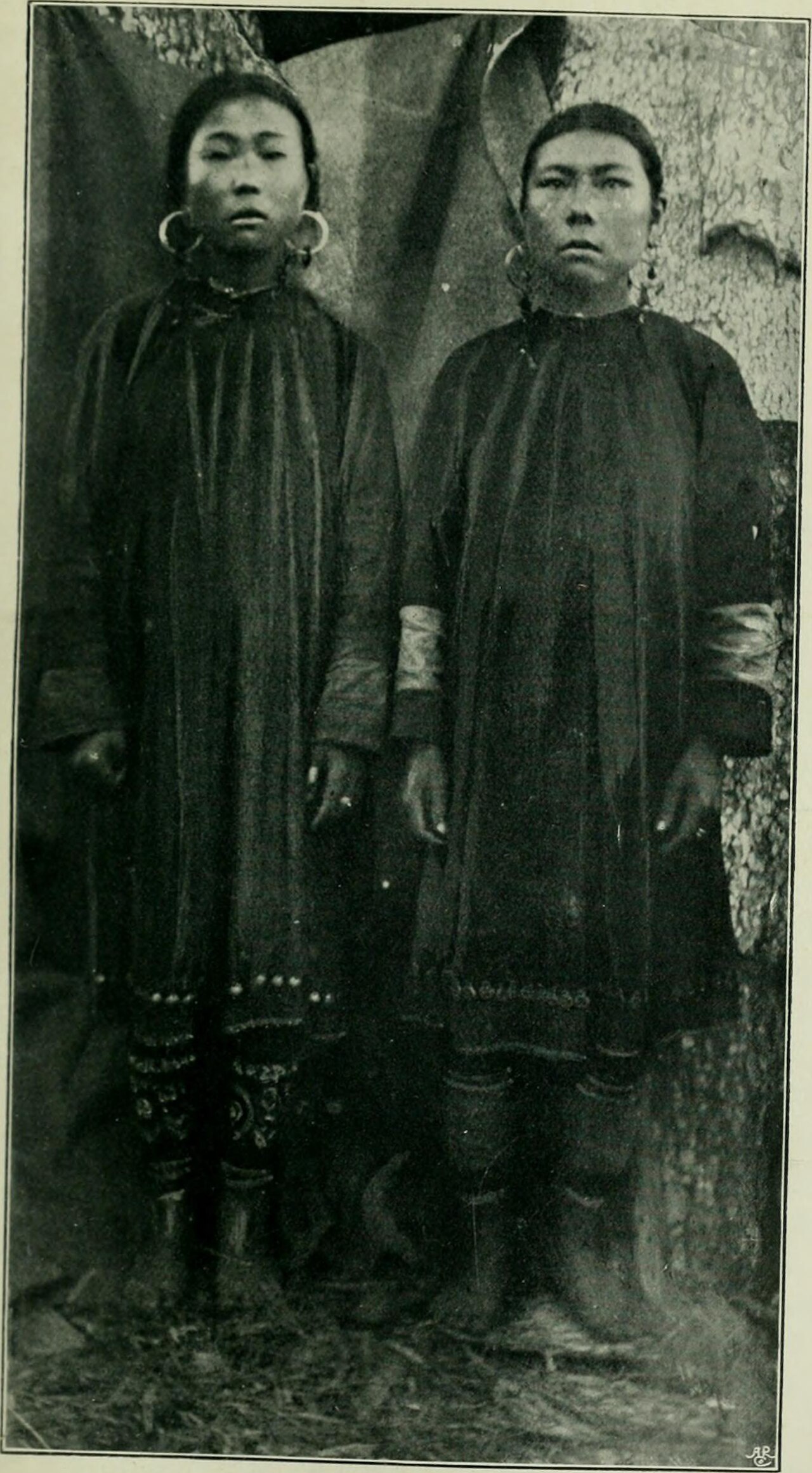
Prior to its annexation by Russia, Outer Manchuria was predominantly inhabited by various Tungusic peoples who were categorized by the Han Chinese as "Wild Jurchens". The Evenks, who speak a closely related Tungusic language to Manchu, make up a significant part of the indigenous population today. When the region was a part of the Qing Empire, a small population of Han Chinese men migrated to Outer Manchuria and married the local Tungusic women. Their mixed descendants have emerged as a distinct ethnic group known as the Taz people. In the 7th century, the Tang dynasty built administrative and military outposts on the Amur and in Suchan. The region was later controlled by the Parhae, a Korean-Manchu polity, during which time Korean communities were established. The northern part of the area was disputed by Qing China and the Russian Empire between 1643 and 1689. The Treaty of Nerchinsk signed in 1689 defined the Sino–Russian border as the Stanovoy Mountains and the Argun River, but when the Qing sent officials to erect boundary markers, the markers were set up far to the south of the agreed limits, ignoring some 23,000 square miles of territory. In 1809, the Japanese government sent explorer Mamiya Rinzō to Sakhalin and the region of the Amur to determine the extent of Russian influence. Chang estimates that there were ten thousand Chinese and four to five thousand Koreans in the region during the 19th century. By the mid-19th century, there were very few subjects of the Qing Empire living in the areas north of the Amur and east of the Ussuri, and Qing authority was seen as tenuous by the Russians. In 1856, the Russian military entered the area north of the Amur on a pretext of defending the area from France and the UK; Russian settlers founded new towns and cut down forests, and the Russian government created a new maritime province, Primorskaya Oblast, including Sakhalin, the mouth of the Amur, and Kamchatka with its capital at Nikolayevsk-on-Amur. After losing the Opium Wars, Qing China was forced to sign a series of treaties that gave away territories and ports to various Western powers as well as to Russia and Japan; these were collectively known by the Chinese side as the Unequal Treaties. Starting with the Treaty of Aigun in 1858 and, in the wake of the Second Opium War, the Treaty of Peking in 1860, the Sino–Russian border was realigned in Russia's favour along the Amur and Ussuri rivers. As a result, China lost the region that came to be known as Outer Manchuria or Russian Manchuria (an area of 350,000 square miles (910,000 km²)) and access to the Sea of Japan. In the wake of these events, the Qing government changed course and encouraged Han Chinese migration to Manchuria (Chuang Guandong). After 1860, Russian historians began to intentionally erase the histories and contributions of the Chinese and Koreans to the Russian Far East. The Russian historian, Semyon D. Anosov wrote, "In the 17th century, the Manchu-Tungus tribes living in the region were conquered by China and deported. Since then, the region has been deserted." Kim Syn Khva, a Soviet Korean historian, wrote, "The first Korean migrants appeared in the southern Ussuri region when secretly 13 families came here fleeing Korea from unbearable poverty and famine" in 1863. However, the historian Jon K. Chang found Western sources, most notably Ernst G. Ravenstein's The Russians on the Amur and J.M. Tronson's Personal Narrative of a Voyage to Japan, Kamtschatka, Siberia, Tartary, and Various Parts of Coast of China: In H.M.S. Barracouta, which detailed Chinese, Korean and Manchu settlements from Ternei to Vladivostok and Poset before 1863. Ravenstein's account notes the differences between Koreans and Chinese versus the Manchus in the region. The former prepared and sold trepangs according to Ravenstein. They (Chinese and Koreans) also raised crops and cattle and lived in small villages and settlements among their co-ethnics. Tronson's account called all of the East Asians whether Chinese, Korean, Manchu or Tungusic peoples "Mantchu-Tartars." Chang also interviewed an elderly Soviet Korean grandmother in 2008, named Soon-Ok Li. Ms. Li stated that, "No one came from Korea. We have always lived in Vondo [the Korean name for the Russian Far East]. Even my grandparents [Ms. Li was born in 1928] were born here."
Reader's Guide
Outer Manchuria's significance lies in its role as a contested borderland between the Qing Empire and the Russian Empire, whose annexation in the mid-19th century reshaped the geopolitical map of Northeast Asia. The region's cession through the Unequal Treaties—the Treaty of Aigun (1858) and Treaty of Peking (1860)—deprived China of access to the Sea of Japan and an area of 350,000 square miles (910,000 km²). The region's history includes earlier control by the Tang dynasty, Parhae, and the Mongol Empire, as well as disputes between Qing China and Russia from 1643 to 1689, resolved temporarily by the Treaty of Nerchinsk. After 1860, Russian historians intentionally erased Chinese and Korean contributions to the region, though Western accounts by Ernst G. Ravenstein (1856-60) and J.M. Tronson (1854-56) documented Chinese, Korean, and Manchu settlements before 1863. In modern times, Victor L. Larin, the director of the Institute of History, Archaeology and Ethnography of the Peoples of the Far East in Vladivostok, said in 2016 that the notion that Vladivostok was ever a Chinese town is a "myth" based on a misreading of evidence that a few Chinese sometimes came to the area to fish and collect sea cucumbers. In 2024, Sergey Radchenko, a professor at Johns Hopkins SAIS, stated, "China fully recognizes Russia's sovereignty over these territories" (referring to the Russian Far East). The same year Maria Zakharova, the spokeswoman for the Russian Foreign Ministry, said that "the mutual renunciation of territorial claims by Moscow and Beijing had been enshrined in the July 16, 2001, Treaty of Good Neighborliness, Friendship and Cooperation, with Moscow and Beijing putting border issues to bed once and for all by signing the Additional Agreement on the Eastern part of the Russia-China Border on October 14, 2004, and ratifying the document later." Despite the potential for territorial claims coextensive with the Qing dynasty, Chinese leaders as of 2014 had not suggested that Mongolia and part of Outer or Russian Manchuria would be a legitimate objective. In April 2023, US diplomat John Bolton speculated that China is "undoubtedly eyeing this vast territory, which potentially contains incalculable mineral wealth", referring to Asian Russia generally, further noting that "[s]ignificant portions of this region were under Chinese sovereignty until the 1860 Treaty of Peking". However, two American historians, Jon K. Chang and Bruce A. Elleman, disagree with Larin, Radchenko and other Russian historians. Chang and Elleman note that in 1919 and 1920, Lev M. Karakhan, the Soviet deputy minister of foreign affairs, issued two legally binding "declarations" called the Karakhan Manifestos in which he promised to return to China all territories taken in Siberia and Manchuria during the Tsarist period and to return the Chinese Eastern Railway and other concessions. To date, China has never renounced the offer of the two Karakhan Manifestos. During 1991 and 2004, there were border-treaties between Russia and China. The Karakhan Manifestos are not border treaties. They are unilateral, but legally binding offers of the return of territory to China.
Did You Know?
- The Treaty of Nerchinsk in 1689 defined the Sino–Russian border as the Stanovoy Mountains and the Argun River, but Qing officials set boundary markers far to the south, ignoring some 23,000 square miles of territory.
- In 1809, the Japanese government sent explorer Mamiya Rinzō to Sakhalin and the Amur region to determine the extent of Russian influence.
- After 1860, Russian historian Semyon D. Anosov wrote that the region had been 'deserted' since the 17th century, while Western accounts by Ravenstein and Tronson documented Chinese, Korean, and Manchu settlements before 1863.
- In 1919 and 1920, Soviet deputy minister Lev M. Karakhan issued two legally binding declarations (the Karakhan Manifestos) promising to return to China all territories taken in Siberia and Manchuria during the Tsarist period.
- Maria Zakharova stated in 2024 that border issues between Russia and China were settled by the 2001 Treaty of Good Neighborliness and the 2004 Additional Agreement.
Geography & the Layered Naming of the Region
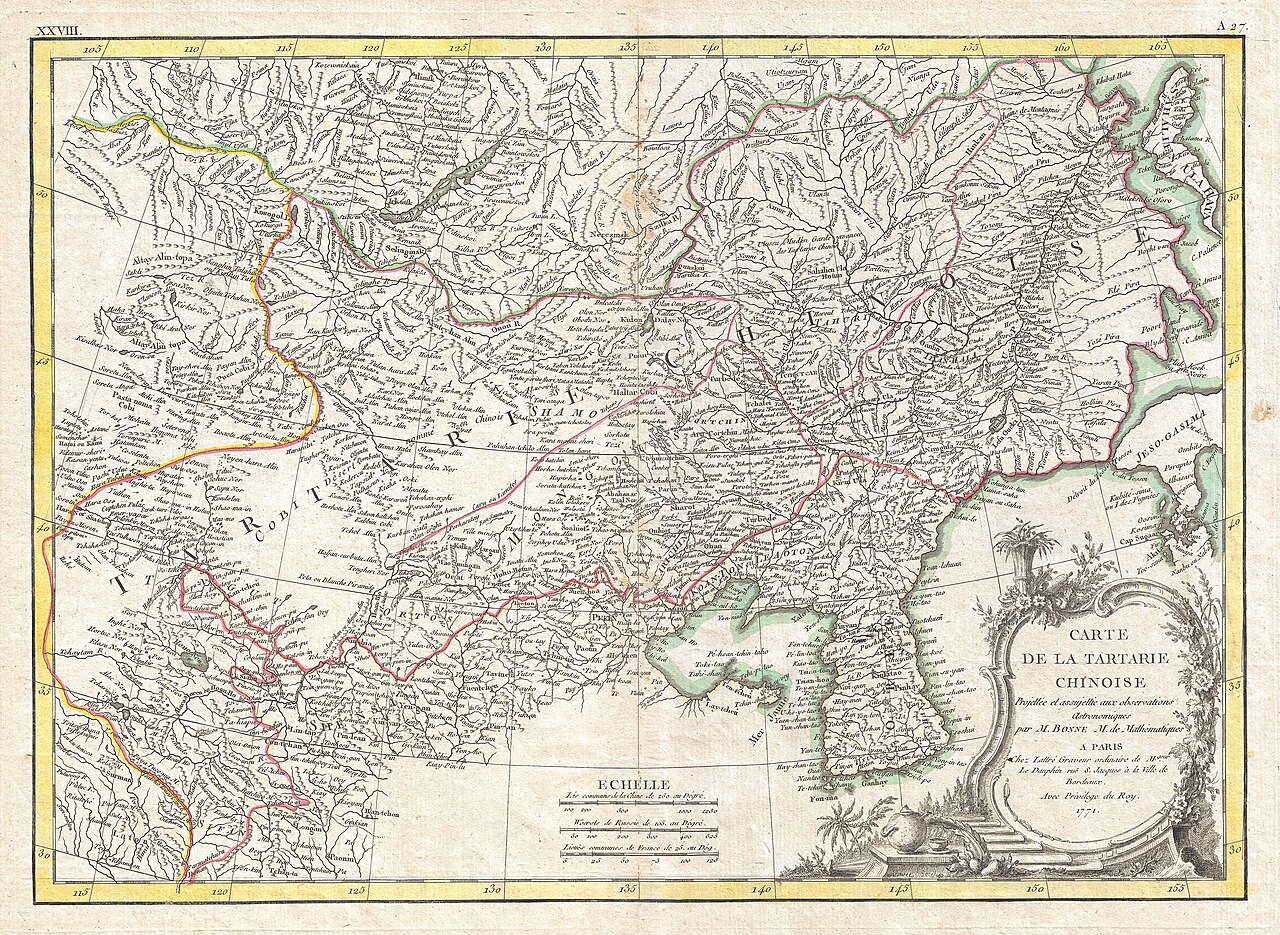
Outer Manchuria encompasses what is today the Russian Far East—specifically Primorsky Krai, southern Khabarovsk Krai, the Jewish Autonomous Oblast, the Amur Oblast, and the island of Sakhalin. Geographically, the area stretches from the left bank of the Amur River up to the Stanovoy Range in the north, and along the right banks of both the Ussuri and lower Amur Rivers down to the Pacific Coast. The region carries several names reflecting its layered history: in Chinese it is called Wài Dōngběi (Outer North-East) or Wài Mǎnzhōu (Outer Manchuria), while Russian sources refer to it as Priamurye. The term "Manchuria" itself was coined in the nineteenth century to describe the northeastern portion of the Qing Empire, the ancestral homeland of the Manchu people. Only after Russia formally annexed the territory did the qualifiers "Outer" and "Russian" attach to the name, distinguishing the ceded lands from what remained within Chinese borders. Today, the unmodified word "Manchuria" normally refers to Northeast China, leaving the former Qing territories as a separate geopolitical and historical entity.
The Amur Annexation and the Unequal Treaties
The transfer of Outer Manchuria from Qing China to the Russian Empire unfolded over a turbulent decade. Beginning in 1856, Russian military forces crossed the Amur River under the stated pretext of defending the region against France and Britain. Russian settlers quickly established new towns, felled forests, and the government created a new maritime province—Primorskaya Oblast—encompassing Sakhalin, the Amur delta, and Kamchatka, with its capital at Nikolayevsk-on-Amur. The Qing, weakened by the Opium Wars, had little leverage to resist. The Treaty of Aigun in 1858 and the Treaty of Peking in 1860 redrew the Sino-Russian border along the Amur and Ussuri rivers in Russia's favour. China surrendered roughly 350,000 square miles and, critically, lost its access to the Sea of Japan. These agreements joined a broader set of concessions imposed on Qing China by Western powers and Japan, collectively remembered in China as the Unequal Treaties. In the aftermath, the Qing reversed its earlier policy of discouraging Han settlement and actively promoted migration into the remaining Manchurian territories through the Chuang Guandong movement.
Indigenous Peoples, Mixed Heritage, and the Taz
Long before Russian annexation, Outer Manchuria was home to a mosaic of Tungusic peoples whom Han Chinese sources labelled "Wild Jurchens." Among them, the Evenks—speakers of a Tungusic language closely related to Manchu—remain a significant component of the region's indigenous population today. During the Qing period, a modest number of Han Chinese men migrated into the area and intermarried with local Tungusic women. Their descendants coalesced into a distinct ethnic group known as the Taz people, a living testament to centuries of cross-ethnic contact. Korean communities also took root in the region, with historical records pointing to settlements along the southern Ussuri corridor. The Tang dynasty had established administrative and military outposts on the Amur as early as the seventh century, and the Korean-Manchu polity of Parhae later fostered further Korean presence. The Qing dynasty, seeking to preserve the Manchu character of its homeland, had discouraged Han settlement broadly, yet significant migration still occurred south of the Amur and west of the Ussuri. By the mid-nineteenth century, however, very few Qing subjects remained north of the Amur and east of the Ussuri, leaving the area sparsely populated under nominal Chinese sovereignty.
Historical Erasure and the Recovery of Voices
After 1860, a deliberate scholarly campaign in Russia and later the Soviet Union sought to minimize or erase the Chinese and Korean contributions to the Far East. The Russian historian Semyon D. Anosov claimed that Manchu-Tungus tribes had been conquered by China and deported, leaving the region deserted thereafter. Soviet Korean historian Kim Syn Khva similarly reduced Korean migration to a handful of families fleeing famine in 1863. Yet Western explorers who traversed the area before the annexation painted a very different picture. Ernst G. Ravenstein's account from 1856 to 1860 and J.M. Tronson's narrative from 1854 to 1856 both documented Chinese, Korean, and Manchu settlements stretching from Ternei to Vladivostok and Poset. Ravenstein specifically noted that Chinese and Korean residents prepared and sold trepangs, raised crops and cattle, and lived in small villages. Modern scholar Jon K. Chang has drawn on these primary sources to challenge the erasure narrative, arguing that tens of thousands of Chinese and Koreans inhabited the region well before 1860, a presence that official Russian historiography long chose to ignore.
Gallery

Frequently Asked Questions
What is Outer Manchuria?
Outer Manchuria is a historical region in Northeast Asia that was once part of the broader Manchuria area but is now fully incorporated into Russia's Far East. The label came into use after the Qing dynasty transferred the territory to the Russian Empire in the mid-19th century.
How did Outer Manchuria end up under Russian control?
The Qing government ceded roughly 910,000 square kilometers of land through the Treaty of Aigun (1858) and the Treaty of Peking (1860), a process often called the Amur Annexation. These two agreements permanently redrew the border and gave rise to the terms 'Russian Manchuria' and 'Outer Manchuria.'
What modern Russian regions make up Outer Manchuria?
The territory now corresponds to Primorsky Krai, the southern part of Khabarovsk Krai, the Jewish Autonomous Oblast, Amur Oblast, and the island of Sakhalin. Together these administrative units form the Russian Far East areas that were once under Chinese dynastic rule.
Who lived in Outer Manchuria before the cession?
The region was home to Tungusic-speaking peoples such as the Evenks and the Taz, who had inhabited the Amur basin for generations. Before the Russian annexation, the area had also been governed by successive Chinese dynasties and, at various points, by the Mongol Empire.
Why does Outer Manchuria matter in discussions of East Asian history?
The loss of roughly 350,000 square miles represents one of the largest single land cessions in the region's history and still shapes debates over border legacy, indigenous rights, and 19th-century imperial diplomacy. It remains a touchstone for understanding how the Russian Far East was assembled.
More in Other 1-21
Spotted an error? Know more?
This is a living reference — every entry is fact-audited, and reader corrections feed straight into our audit queue. Suggest an edit · See this site's audit record