
Snowshoe
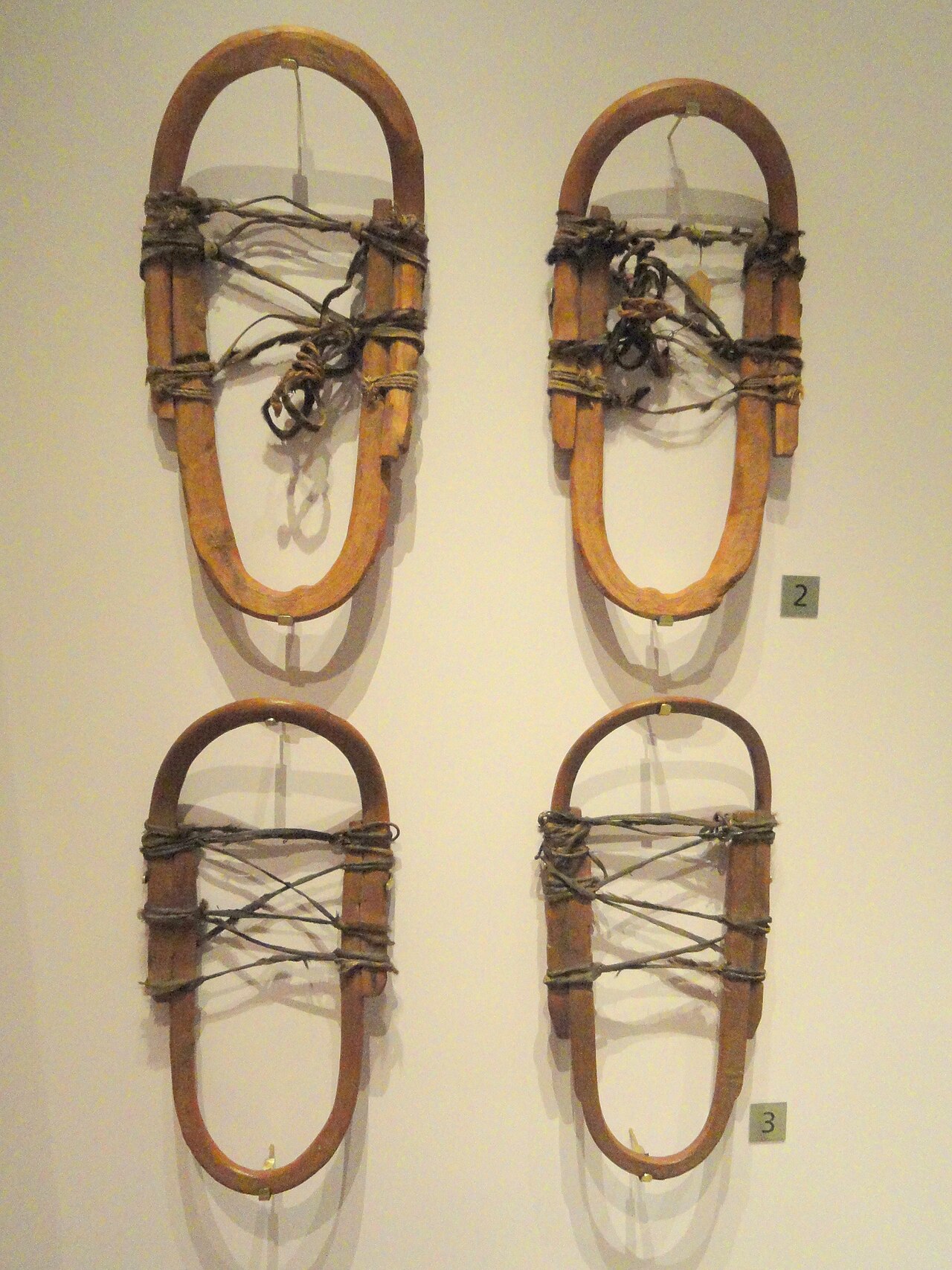
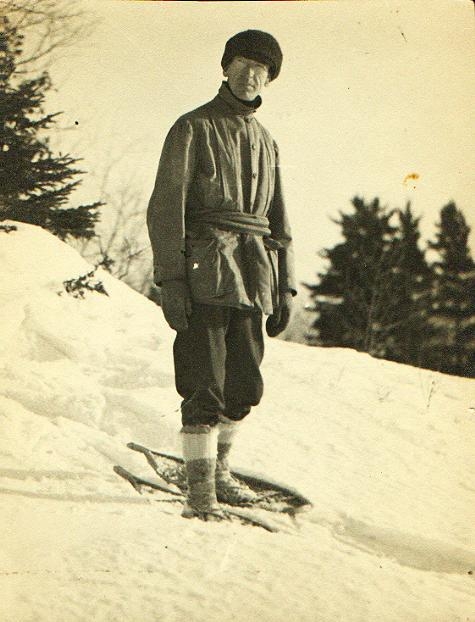
Snowshoes spread weight over snow, enabling travel where feet would sink.

Daderot · CC0
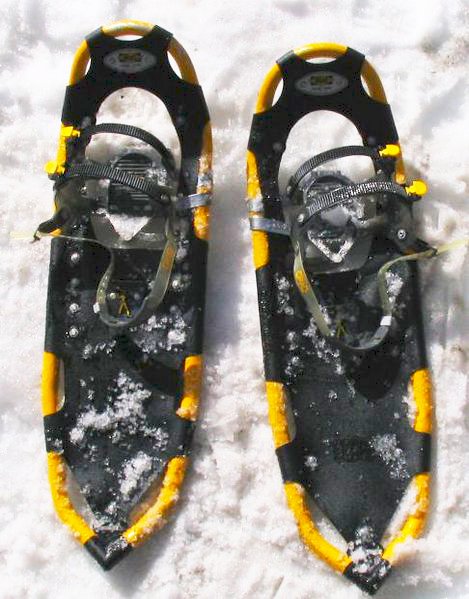
Snowshoes are specialized outdoor gear for walking over snow, designed to distribute the user's weight across a large footprint to travel on top of deep snow rather than sinking into it. They consist of a frame filled with latticework or synthetic materials, with adjustable bindings for attachment to winter footwear. Historically essential for travel in snowy regions, snowshoes were developed by Indigenous peoples of North America into diverse forms adapted to local conditions, and later adopted by Europeans for transportation, military use, and recreation.
- origin
- Central Asia, 4,000 to 6,000 years ago (estimated)
- field
- Outdoor equipment, transportation, recreation
- key_developers
- Indigenous peoples of North America (e.g., Huron, Cree, Ojibwe, Iroquois, Inuit, Athapaskan)
- known_for
- Enabling travel over deep snow; diverse regional designs; transition from necessity to recreation
Lore & Background
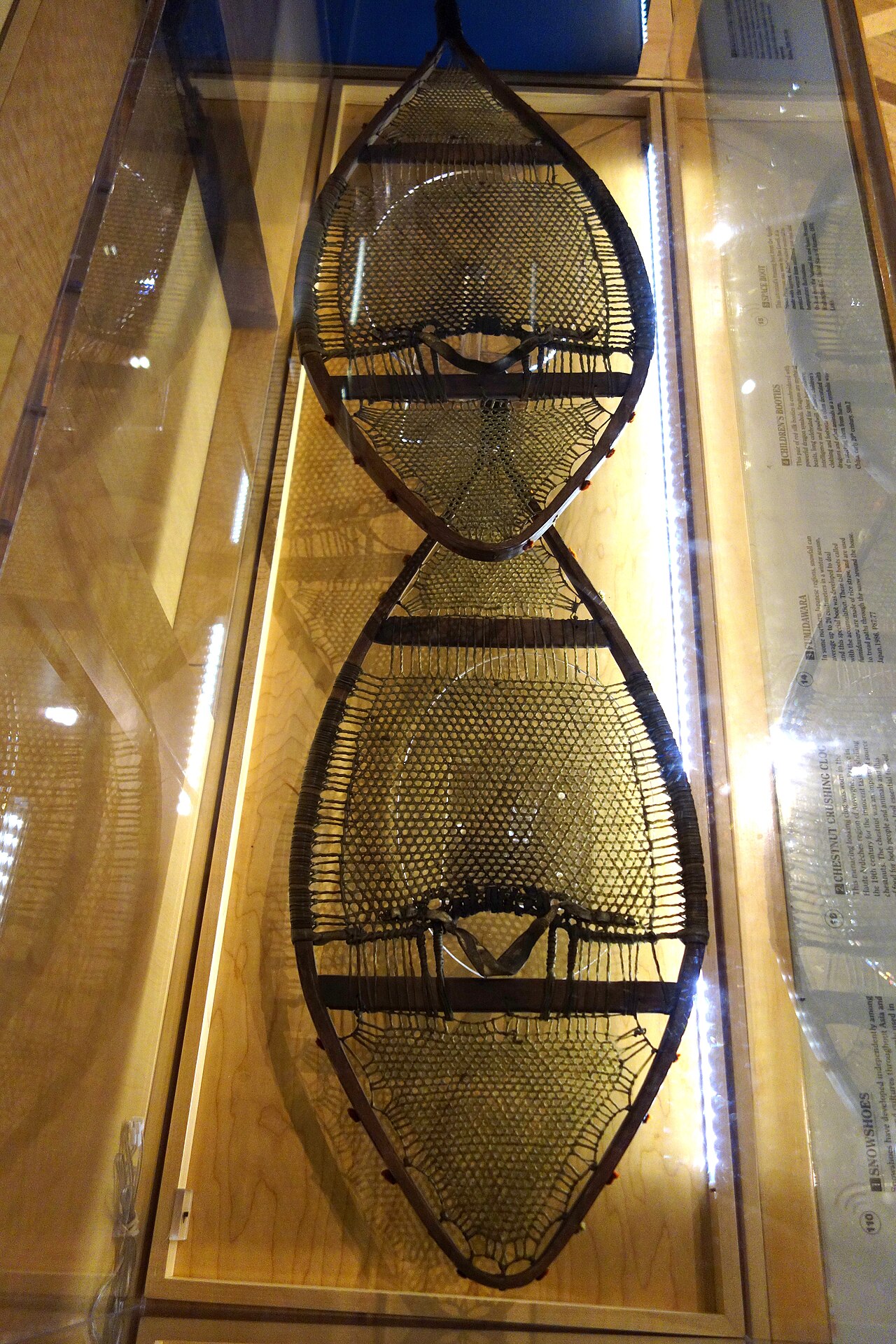
The origin and age of snowshoes are not precisely known, though historians believe they were invented 4,000 to 6,000 years ago, probably starting in Central Asia. British archaeologist Jacqui Wood hypothesized that a frame found with the Chalcolithic mummy Ötzi was part of a snowshoe. Strabo wrote that inhabitants of the Caucasus used flat leather or round wooden surfaces under their feet. However, the traditional webbed snowshoe as used today has direct origins with North American Indigenous peoples such as the Huron, Cree, and Algonquin. Samuel de Champlain described these snowshoes as two to three times larger than those in France, tied to the feet to prevent sinking into snow, enabling hunting and travel. Indigenous peoples of North America developed the most advanced and diverse snowshoes prior to the 20th century. Different shapes were adapted to regional conditions: Inuit styles were triangular or nearly circular for deep, powdery snow; Cree hunting snowshoes were nearly 6 feet long with upturned toes; Athapaskan snowshoes could exceed 7 feet for speed on flat, open land; Ojibwe snowshoes were pointed at both ends for maneuverability; Huron snowshoes were tail-heavy for tracking in open country; Iroquois snowshoes were narrower for forested areas; and the Bearpaw style had no tail for dense forests. The Plains Indians used snowshoes for winter bison hunts before horses were introduced. European contact brought North-American-type snowshoes into colonial use. French voyageurs and coureurs des bois adopted them from Indigenous nations in the late 17th century. Snowshoes became popular during the French and Indian Wars, including the Battle on Snowshoes, where combatants wore them atop four feet of snow. Canadian snowshoe clubs, founded for military training in the late 18th century, became the earliest recreational users. Modern snowshoes are made of lightweight metal, plastic, and other synthetic materials, though wooden snowshoes remain valued for their quietness and resistance to freezing.
Reader's Guide
Snowshoes hold significance as a tool that enabled human movement and survival in snowy environments for millennia. Their development by Indigenous peoples of North America represents a pinnacle of adaptive design, with each culture crafting shapes suited to local terrain—from the long, narrow Athapaskan shoes for open tundra to the tailless Bearpaw for dense forests. This diversity underscores snowshoes as one of the few cultural elements common to all tribes in snowy northern regions. European adoption during colonialism facilitated exploration, trade, and military campaigns in North America, as seen in the French and Indian Wars. The transition from necessity to recreation began with Canadian snowshoe clubs in the late 18th century, which held races and hikes, and continues today as the greatest contemporary use is for recreation. Modern materials have largely replaced traditional wood and rawhide, but the fundamental principle of weight distribution remains unchanged. Snowshoes also retain essential roles in areas where motorized vehicles cannot reach or are inconvenient. Their legacy includes both practical utility and cultural craftsmanship, with some enthusiasts valuing wooden snowshoes for their artisanship and quiet performance.
Did You Know?
- The snowshoe hare and lynx evolved oversized feet that inspired human snowshoe design.
- Samuel de Champlain wrote that Huron and Algonquin snowshoes were two to three times larger than those in France.
Origins and Natural Inspiration
Before humans engineered a solution for traversing deep snow, the animal kingdom had already solved the problem. Species such as the lynx and, most notably, the snowshoe hare evolved oversized feet over millennia, enabling them to move more quickly through deep snow without sinking. This biological blueprint likely inspired early human innovators. Historians estimate that purpose-built snowshoes emerged somewhere between four and six thousand years ago, with Central Asia as a probable birthplace. British archaeologist Jacqui Wood proposed a striking reinterpretation of evidence: what was long assumed to be a backpack frame attached to the Chalcolithic mummy Ötzi may actually have been a component of a primitive snowshoe. The ancient Greek writer Strabo recorded that Caucasus peoples strapped flat leather panels or round wooden blocks beneath their feet to distribute weight across the snow. Yet the webbed, framed design that defines the modern snowshoe traces directly to North American Indigenous craftsmanship, as documented by Samuel de Champlain in his travel memoirs, where he marveled at Huron and Algonquin footwear two to three times larger than European equivalents, enabling their wearers to hunt and travel without sinking.
Indigenous Innovation and Regional Diversity
No single culture produced a one-size-fits-all design. Across the snowy northern reaches of North America, nearly every Indigenous group crafted a snowshoe shaped to its local terrain, snow depth, and mode of travel. The Inuit favored two forms: a triangular model roughly eighteen inches long and a near-circular variant, both built for maximum flotation in loose powder, though in practice they relied on them less than outsiders assumed, since much winter travel occurred over sea ice or tundra where snow stayed shallow. Moving south, the Cree hunting snowshoe stretched close to six feet with a turned-up toe. Athapaskan designs exceeded seven feet in length, narrow and upturned, engineered for speed across flat Alaskan and northwestern Canadian terrain so their wearers could pace dog sleds and break trail. Ojibwe models were pointed at both ends for easy backward stepping and simpler two-piece frame construction. Huron shoes were broad and tail-heavy, tracking straight but turning poorly, suited to open country and heavy loads. Iroquois versions were narrower and shorter for forest maneuverability, while the Bearpaw style, popular in Quebec and Labrador woodlands, dropped the tail entirely for quick pivots. Plains tribes laced them on for winter bison hunts long before horses arrived.
European Adoption and Military Significance
Long before European contact, solid-wood ski-snowshoes—essentially short, wide versions of traditional skis carved from light woods such as pine—served as winter footwear across parts of Eurasia, often lined with furs for climbing. In 2016, a crude frame snowshoe unearthed from a melting glacier in the Dolomites of Italy was dated to between 3800 and 3700 BCE, making it the oldest known surviving example. Roald Amundsen, comparing his Norwegian skis with the snowshoes worn by his travelling companions in Northwest North America in the early twentieth century, found each excelled under different conditions. After French voyageurs and coureurs des bois began trapping and trading through Cree, Huron, and Algonquin territories in the late seventeenth century, they adopted Indigenous snowshoes and canoes as indispensable travel tools. The English word "snowshoe" appears in the Oxford English Dictionary as early as 1674. The equipment proved militarily decisive in 1690, when British colonists near present-day Schenectady, New York, laced them on and pursued a French-Indian raiding party for nearly fifty miles, recovering captives and stolen goods. By the era of the French and Indian Wars, both sides wore snowshoes in engagements like the Battle on Snowshoes, fought atop four feet of snow.
Design Evolution and Modern Role
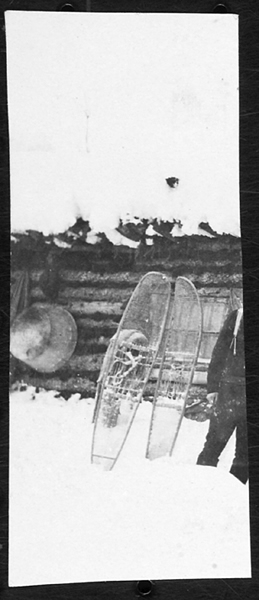
The fundamental engineering principle behind every snowshoe—spreading the wearer's weight over a large footprint so the user travels on top of snow rather than sinking through it—has remained constant, but the materials and shapes have evolved dramatically. Traditional frames were carved from hardwood and laced with rawhide webbing, while contemporary versions rely on lightweight metals, plastics, and other synthetic composites, all secured to appropriate winter footwear via adjustable bindings. The teardrop shape favored by lumberjacks, roughly forty inches long and proportionally broad, became the stereotypical image of the device; the French term raquette à neige reflects its resemblance to a tennis racquet. A tracker's shoe, by contrast, stretches past five feet while remaining extremely narrow. In regions where motorized vehicles cannot reach or are simply inconvenient, snowshoes still serve as essential travel gear, a role they filled for centuries among fur trappers and others dependent on overland winter travel. Yet their greatest contemporary use is for recreation, a shift from survival necessity to leisure pursuit that marks a profound change in how a technology rooted in Indigenous innovation is experienced today.
Gallery

Frequently Asked Questions
What are snowshoes and how do they work?
Snowshoes are a type of footwear frame that spreads your body weight over a wide surface area so you can walk on top of deep snow instead of sinking through it. They feature a lattice or synthetic panel set within a frame, along with adjustable bindings that clip onto your winter boots.
Who are the key developers of snowshoe design?
Indigenous peoples across North America—including the Huron, Cree, Ojibwe, Iroquois, Inuit, and Athapaskan—created a wide variety of snowshoe forms tailored to their specific local terrain and climate. These regional designs represent the most significant body of snowshoe engineering in history.
Why were snowshoes historically important?
Before modern transportation, snowshoes were a survival necessity for anyone needing to move across snow-covered landscapes in winter. They enabled travel, hunting, and military movement in regions where deep snow would otherwise make overland travel impossible.
How have snowshoes changed from their original purpose?
What began as an essential tool for daily survival and long-distance travel has gradually shifted into a recreational and sporting activity for many people today. Despite this transition, the core principle remains the same: distributing weight to keep the user on top of the snowpack.
More in Other 1-21
Spotted an error? Know more?
This is a living reference — every entry is fact-audited, and reader corrections feed straight into our audit queue. Suggest an edit · See this site's audit record