
Potpourri
Dried plant mixture used for gentle natural scent.

AustinTowers · Public domain
Potpourri ( POH-puu-REE) or pot-pourri is a mixture of dried, naturally fragrant plant materials used to provide a gentle natural scent, commonly in residential settings. It is often placed in a decorative bowl. The word comes from the French term pot-pourri, which also refers to a Spanish stew called olla podrida, meaning 'rotten pot.'
- field
- Fragrance and home decoration
- known_for
- Providing gentle natural scent through dried plant materials
- etymology
- From French pot-pourri, meaning 'rotten pot'
- common_use
- Placed in decorative bowls or perforated containers
Lore & Background
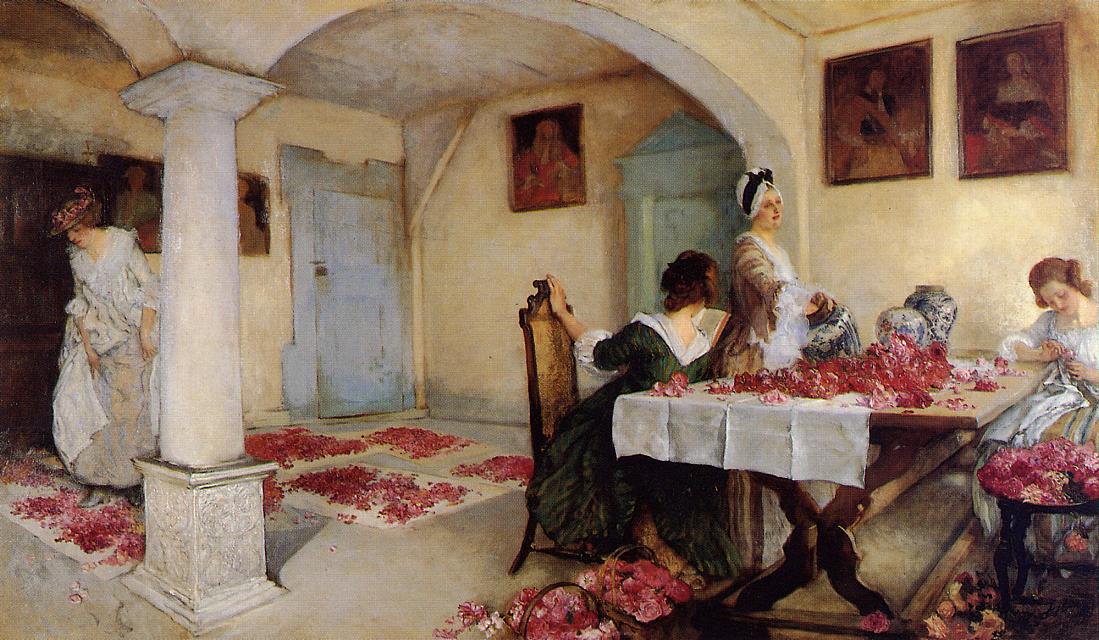
Potpourri has been used in rooms since ancient times, including being scattered on the floor. In early 17th-century France, fresh herbs and flowers were gathered from spring through summer, left to become limp, then layered with coarse sea salt. The mixture was stirred occasionally and often fermented or molded over the summer. In the fall, spices and scent-preserving fixatives were added, and the finished potpourri was set out in special pots with perforated lids.
Reader's Guide
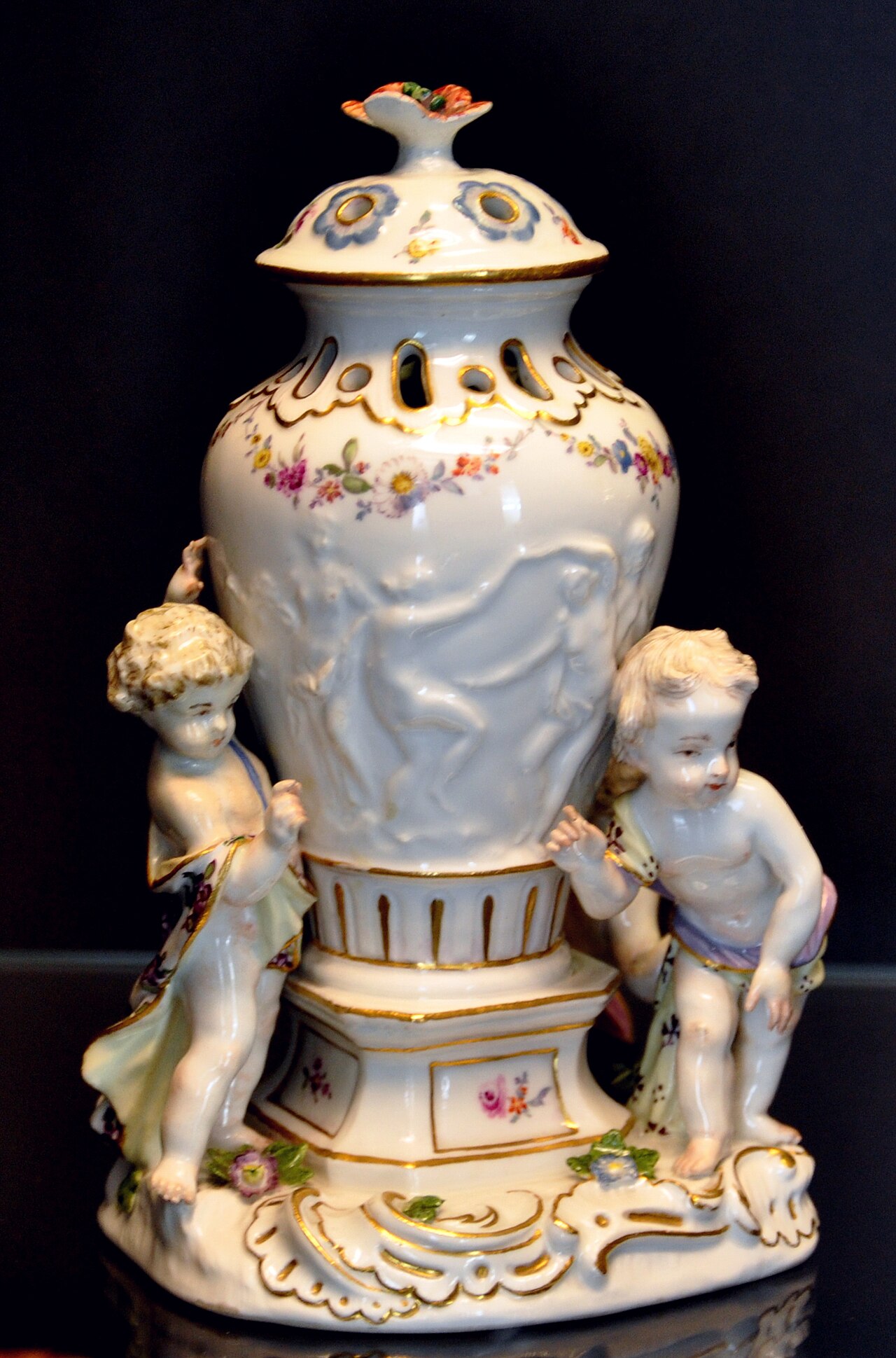
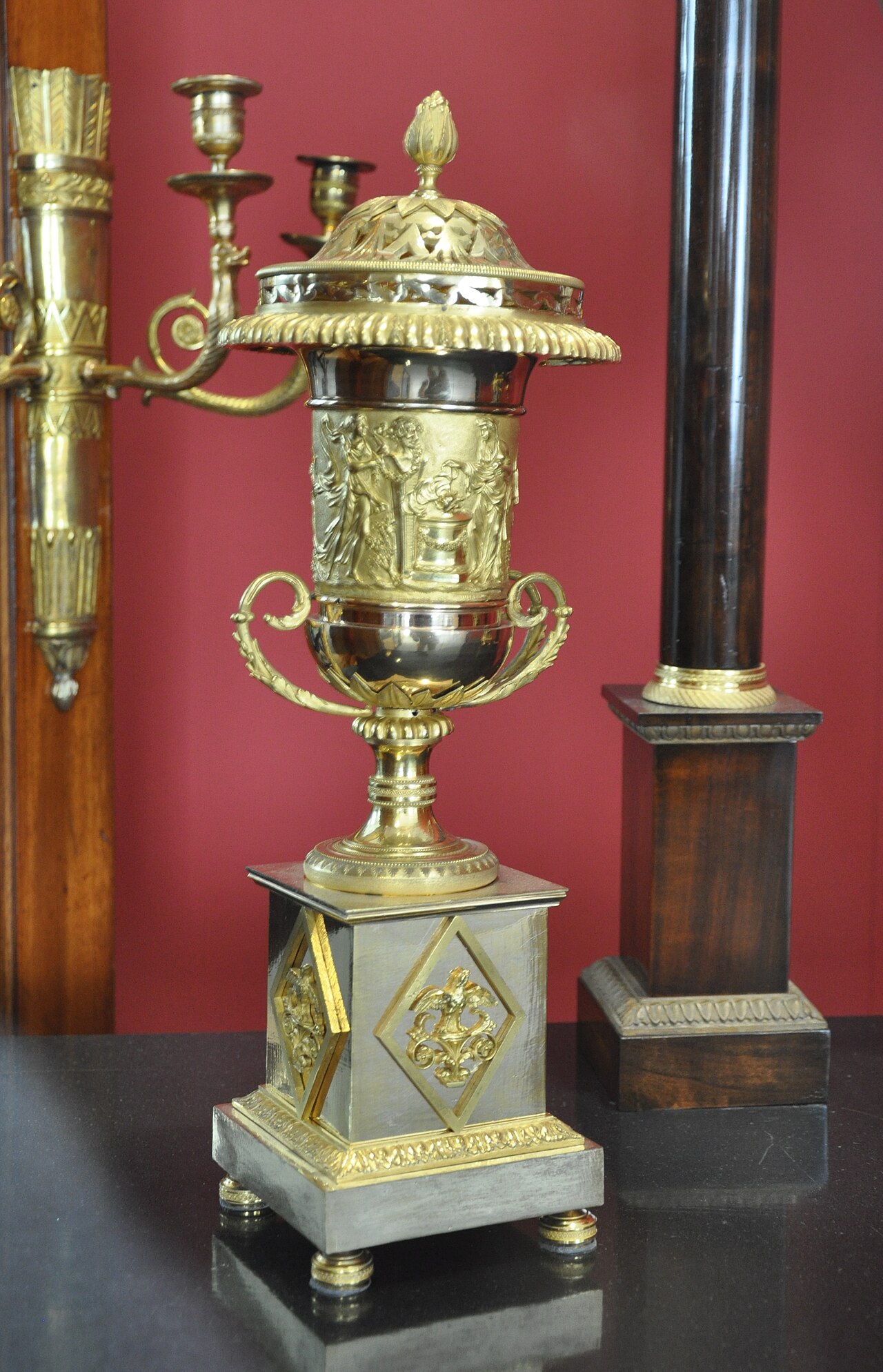
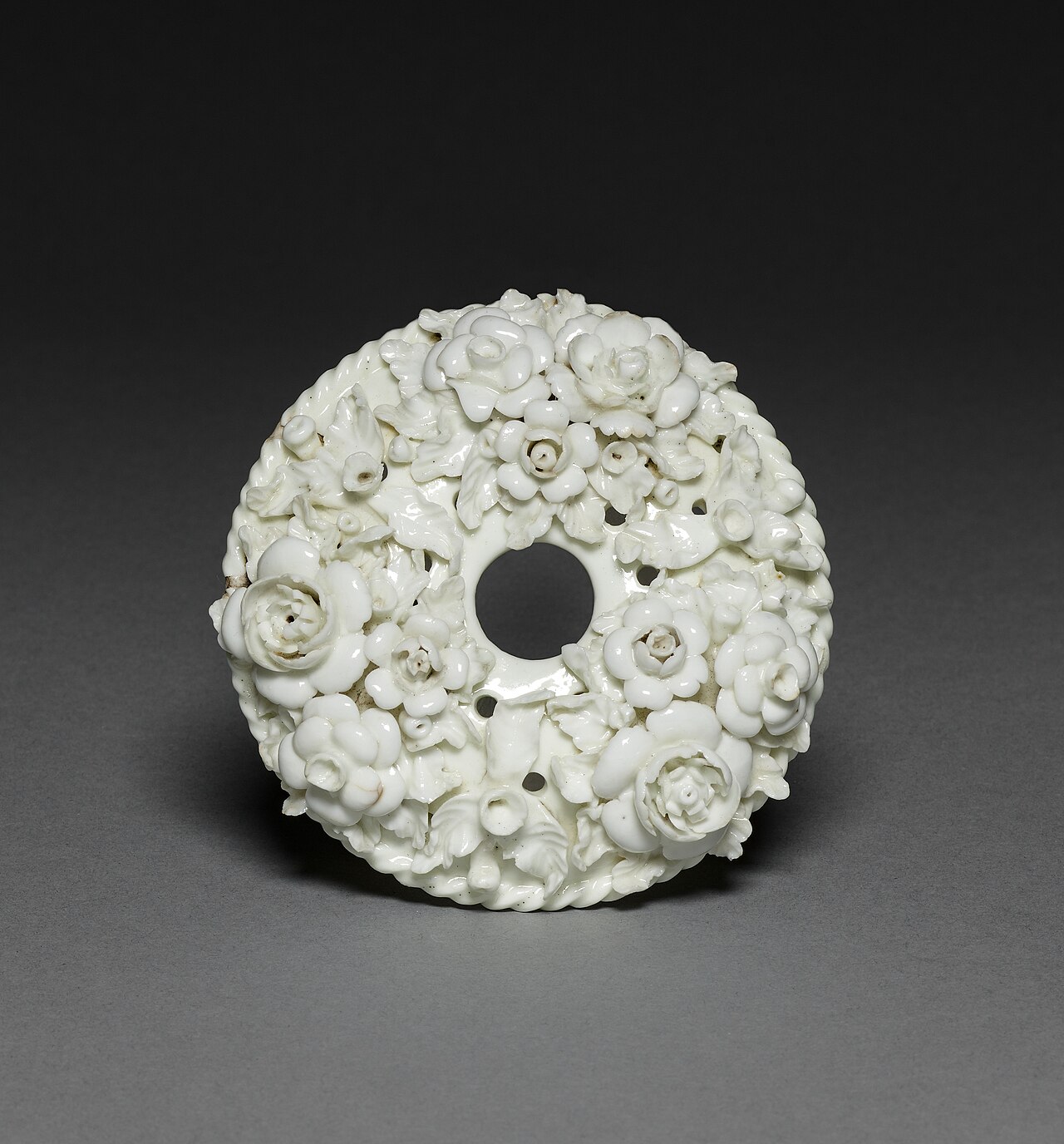
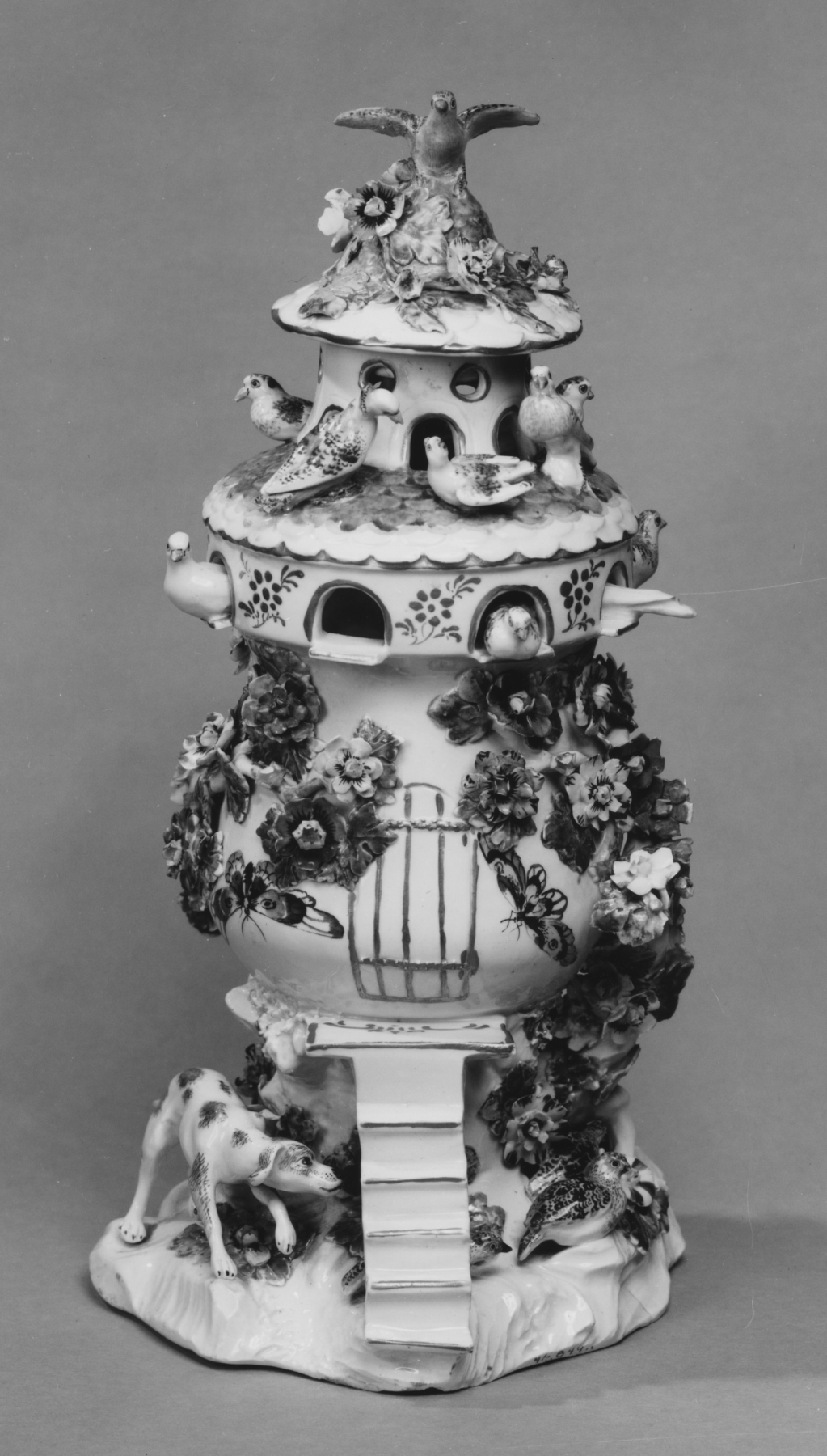
Modern potpourri often consists of decoratively shaped dried plant material, not necessarily from scented plants, with strong natural and synthetic perfumes and colored dyes added. Items not originating from plants may be mixed in for bulk and aesthetics. A fixative, generally orris root, is needed to ensure scent is absorbed and released slowly. The lifespan of dried flowers varies: air-dried flowers last about 1 year, while those preserved in silica gel or glycerin can last several years. In ceramics, a potpourri vase is designed with a pierced lid for slow scent diffusion.
Did You Know?
- The word potpourri comes from French pot-pourri, meaning 'rotten pot,' also the name of a Spanish stew called olla podrida.
- In early 17th-century France, potpourri was made by layering limp herbs and flowers with coarse sea salt and allowing the mixture to ferment or mold.
- Some potpourri ingredients, such as cedar wood shavings and cypress wood shavings, are toxic and used as moth repellents.
Etymology & Linguistic Heritage
The term potpourri, pronounced POH-puu-REE in common English usage (though the OED favors the spelling pot-pourri), carries a surprisingly earthy origin. It entered English from the French pot-pourri, which itself served as the French name for a hearty Spanish stew known as olla podrida, a celebrated dish of Burgos. Breaking down the components reveals the literal meaning: "pot" retains the same sense across French, English, and Spanish (olla), while "pourri" mirrors the Spanish "podrida," both translating to "rotten." Thus the phrase essentially evokes a "rotten pot"—a fitting descriptor for a stew brimming with an eclectic assortment of ingredients. Beyond its culinary roots, the word has broadened in English to function as a synonym for "medley," capturing the idea of a diverse, haphazard mixture. This dual identity—rooted in a specific regional dish yet generalized into a universal term for variety—gives potpourri a linguistic richness that mirrors the very product it names: a blend drawn from many sources, unified into a single, fragrant whole.
The Seventeenth-Century Art of Making
In early seventeenth-century France, the creation of potpourri was a slow, seasonal undertaking that spanned most of the year. Beginning in spring and continuing through the summer, gatherers collected fresh herbs and flowers, which were then left to wilt for a day or two until they softened. These limp botanicals were layered with coarse sea salt, and the growing pile was stirred periodically as new additions were incorporated. The process was far from elegant: over the course of the summer, the mixture frequently fermented or developed mold, taking on an unsightly grey appearance. It was not until autumn that the transformation began. Spices were worked into the dull, decayed mass until a pleasing fragrance emerged, and scent-preserving fixatives were then introduced to lock in the aroma. The finished blend was displayed in dedicated vessels fitted with perforated lids, allowing the scent to drift gently through a room. This patient, multi-stage method stands in stark contrast to the instant, heavily perfumed products found in modern homes, and it underscores how potpourri was once a genuine craft rooted in patience and seasonal rhythm.
Botanical Breadth and Modern Composition
The botanical palette behind potpourri is far wider than most people realize. A 2015 survey conducted by the Royal Botanic Gardens at Kew catalogued 455 distinct species drawn from more than 100 plant families, a roster that even extends beyond the plant kingdom to include algae, fungi, and lichens. Common ingredients range from familiar aromatics like lavender, rose, rosemary, and mint to less expected elements such as cedar, cypress, and juniper wood shavings, several of which carry toxic properties and double as moth repellents. Even the strychnine tree (Strychnos nux-vomica) has appeared among the fruits used. Yet modern commercial potpourri often bears little resemblance to this botanical tradition. Today's products frequently feature decoratively shaped dried material sourced from plants that are not naturally fragrant, then drenched in potent natural or synthetic perfumes and colored dyes so that the resulting scent has little to do with the actual plant matter. Non-botanical items are sometimes added purely for visual bulk. When scents are applied by spray, a fixative—typically orris root—is essential to ensure the fragrance is absorbed and released gradually rather than evaporating almost immediately.
Vessels, Longevity, and the Decorative Tradition
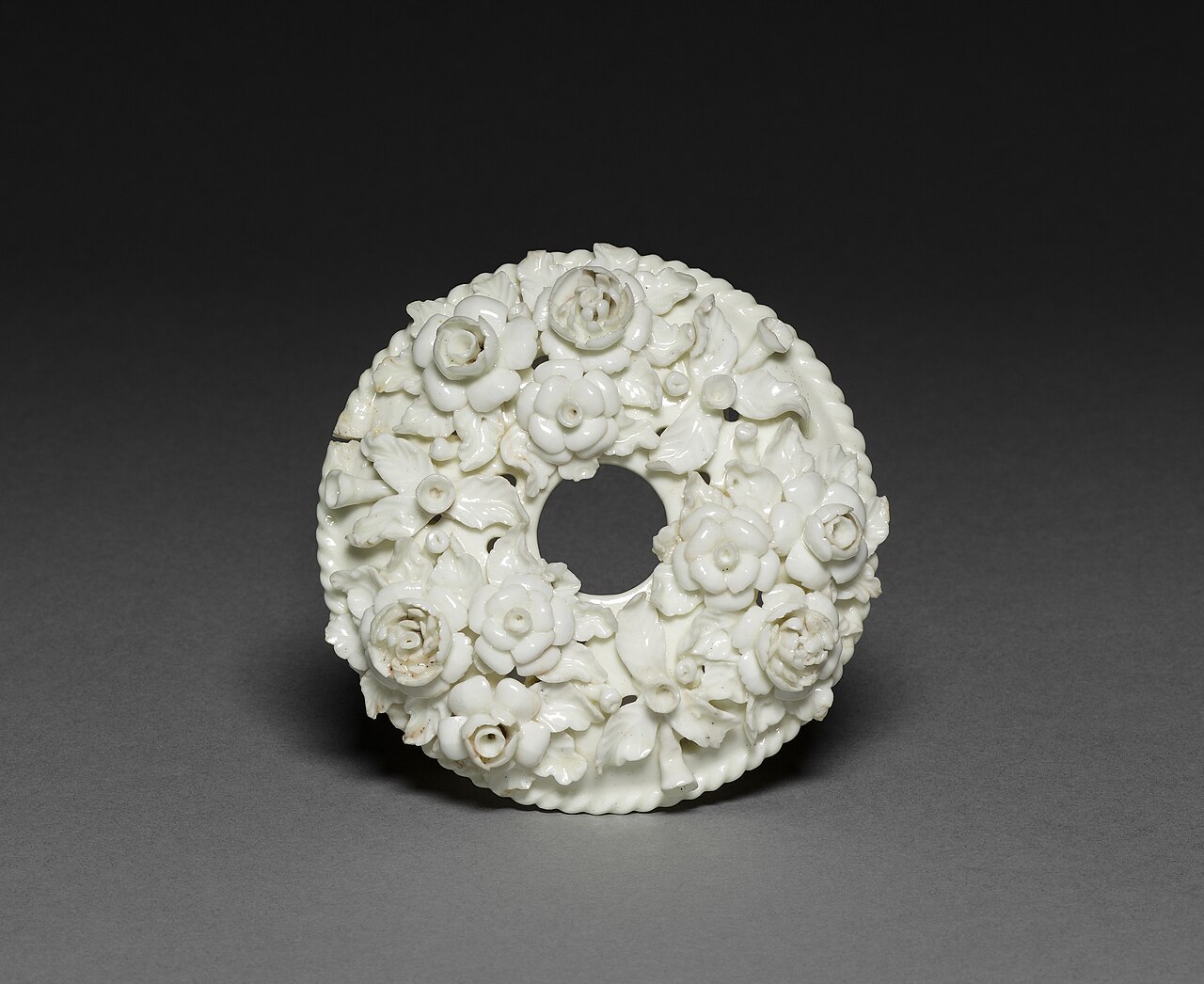
Potpourri has always been as much about presentation as scent. The most common domestic arrangement places the dried mixture in a decorative bowl, but ceramics manufacturers have also produced dedicated potpourri vases engineered specifically for the purpose. Traditional designs incorporate a pierced or perforated lid, a small but crucial detail that allows the fragrance to diffuse slowly and steadily into the surrounding air rather than escaping all at once. Perhaps the most celebrated example of this decorative tradition is the porcelain Sèvres pot-pourri vase shaped like a ship, produced in the 1750s and 1760s. It is regarded as one of the most spectacular pieces of its era. Only twelve were made; the famous Madame de Pompadour acquired three of them, and ten of the original dozen have survived to the present day. The lifespan of the potpourri itself depends heavily on how the botanicals are preserved. Flowers simply air-dried tend to last around a year, whereas those treated with silica gel or glycerin can remain vibrant and fragrant for several years, making the choice of preservation method a practical consideration for anyone maintaining a long-lasting display.
Gallery
Frequently Asked Questions
What is Potpourri?
Potpourri is a blend of dried, naturally fragrant plant materials designed to give off a gentle, subtle scent in a home. It is a purely natural fragrance option that relies on the inherent aromas of the dried botanicals rather than added chemicals.
Where does the word 'potpourri' come from?
The term originates from the French phrase pot-pourri, which literally translates to 'rotten pot.' It is also linked to the Spanish stew olla podrida, sharing that same 'rotten pot' meaning.
How do people typically display potpourri?
It is most commonly arranged in a decorative bowl or a perforated container that allows the scent to diffuse slowly. This makes it a popular choice for entryways, bathrooms, or living rooms where a light, ambient fragrance is desired.
What makes potpourri different from synthetic air fresheners?
Potpourri draws its fragrance entirely from the natural oils and aromas of dried plant materials, offering a milder and more organic scent profile. It provides a gentle, subtle aroma rather than the overpowering chemical smell associated with many commercial fresheners.
Is potpourri the same as pot-pourri?
Yes, both spellings refer to the exact same dried-plant fragrance mixture. The hyphenated form reflects the original French spelling, while the unhyphenated version is the standard English rendering.
More in Other 1-21
Spotted an error? Know more?
This is a living reference — every entry is fact-audited, and reader corrections feed straight into our audit queue. Suggest an edit · See this site's audit record